
Plumbing and heating company in London, listed in the CIPHE member directory, offering radiators and heating and boiler repair.
Registered company, not yet verified
No reviews yetLondon ·

If your boiler has stopped heating, is leaking or smells wrong, this page tells you what is safe to check yourself and what needs a Gas Safe registered engineer. Then compare engineers in your town by verified reviews and distance.
The plumbers below list boiler repair as a core service. Each profile says whether we have checked the firm’s Gas Safe number yet, and shows any fees that plumber publishes, so you can compare before you call.
Tell us what you need and where. We reply by email within 1 working day. Free, and nothing is shared without asking you.
Ask for the call-out or visit fee before anyone comes out, and a written quote before work starts. Each profile lists the fees that plumber publishes.
Plumbing and heating company in London, listed in the CIPHE member directory, offering radiators and heating and boiler repair.

Plumbing and heating company in London, listed in the CIPHE member directory, offering radiators and heating, boiler repair, leaks and burst pipes and emergency plumber.
Plumbing and heating company in London, listed in the CIPHE member directory, offering boiler repair and radiators and heating.
Plumbing and heating company in London, listed in the CIPHE member directory, offering radiators and heating, boiler repair and bathroom fitting.
| Figure | Value | Source |
|---|---|---|
| National Gas Emergency freephone number | 0800 111 999 | HSE: Domestic gas, frequently asked questions, HSE page, checked 12 October 2026 |
| Recommended servicing interval for gas appliances, flues and pipework | At least annually | HSE: Domestic gas, frequently asked questions, HSE page, checked 12 October 2026 |
| People who die each year from carbon monoxide poisoning caused by gas appliances and flues | Around 7 | HSE: Carbon monoxide, Annual figure as stated by HSE, checked 12 October 2026 |
| Cost of a carbon monoxide alarm | From £15, and it should comply with BS EN 50291 | HSE: Domestic gas, frequently asked questions, HSE page, checked 12 October 2026 |
| Gas Safe Register freefone helpline for consumers | 0800 408 5500 | HSE: Domestic gas, frequently asked questions, HSE page, checked 12 October 2026 |
| English households using a gas-fired main heating system | Around 21.2 million (86%) | English Housing Survey 2023 to 2024: low carbon technologies in English homes, fact sheet (GOV.UK), English Housing Survey 2023-24 |
| English homes with a condensing-combination boiler | 63% | English Housing Survey 2024 to 2025, chapter 2: energy efficiency (GOV.UK), 2024 |
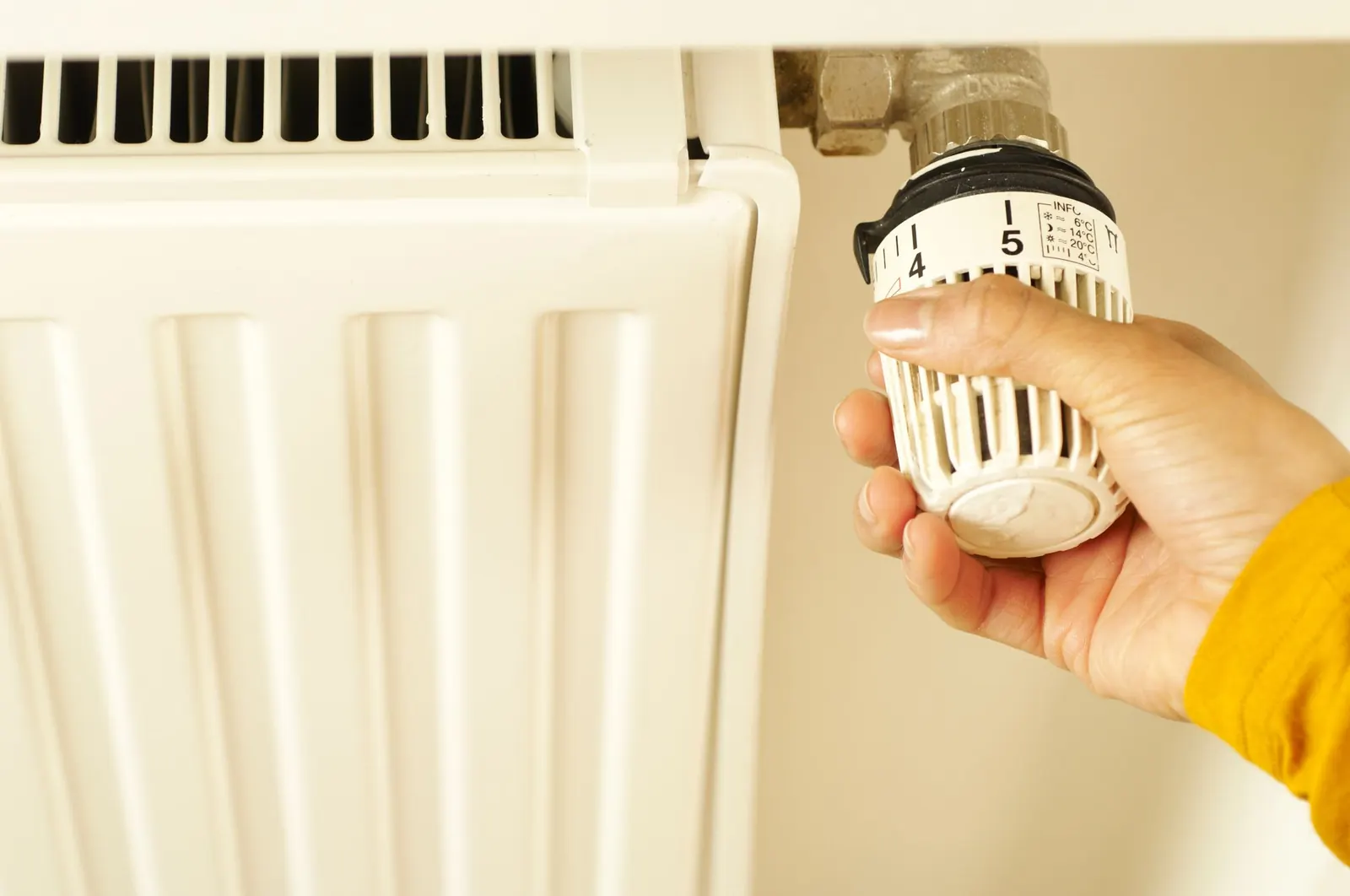
A boiler that has stopped working is usually fixable in one visit, but only a Gas Safe registered engineer may open up a gas boiler and work on it. Before you call, there are a few checks you can do yourself with no tools. If you smell gas, or think fumes are escaping, skip the checks and follow the emergency steps in the next section. This page covers gas boiler repair for homes in the UK. It also touches on electric boilers, which have no gas supply or flue. Your last step is to compare local engineers through our city pages, where firms are ordered by verified reviews first and distance second, never by payment.
Treat these as emergencies. The Health and Safety Executive (HSE) says to call the National Gas Emergency Service on 0800 111 999, switch off the appliance, turn the gas off at the meter control valve and open doors and windows. It also says to see your GP and mention possible carbon monoxide exposure. HSE's carbon monoxide guidance lists warning signs on or near an appliance: flames that burn yellow or orange rather than blue, soot or yellow-brown staining, a pilot light that keeps going out, and more condensation than usual inside windows.
HSE adds that it is illegal to use a gas appliance you suspect is unsafe. Leave it off until a Gas Safe registered engineer has checked it. For anything that cannot wait for a normal appointment, see our page on emergency plumbers.
Most call-outs start with a handful of causes. Going through this list takes ten minutes and sometimes saves the visit.
Do not remove the boiler casing, adjust gas pressure settings or try to repair a leaking joint on the gas line. Those tasks count as gas work.
A repair visit is a diagnosis first. A good engineer asks when the fault started, whether it comes and goes and whether anything changed beforehand, such as a power cut or a new thermostat. They then check the supply, controls, ignition, pump, diverter valve, heat exchanger and flue, using the manufacturer's data for your model. They should test the appliance for safe operation once the fault is cured, and explain what they found in plain words.
| Symptom | Common causes an engineer checks |
|---|---|
| No heating or hot water | Ignition fault, low pressure, failed pump, frozen condensate pipe |
| Heating works, hot water does not (combi) | Diverter valve, flow sensor, scaled heat exchanger |
| Banging or kettling noises | Scale or sludge in the system, a failing pump, restricted flow |
| Water under the boiler | Leaking seal, pressure relief discharge, failing component |
| Boiler switches itself off | Overheating from poor circulation, blocked condensate, flue problems |
Ask for the faulty part to be shown to you if it was replaced. Ask too whether the work changes anything about the warranty. If the boiler is still covered by the maker's warranty, the repair may need to be done by an approved engineer for that brand.
A one-off fault in a boiler that has otherwise worked well is usually worth repairing. Repeated call-outs for different faults, parts that are hard to find, or a heat exchanger or main circuit failure point towards replacement instead. Ask the engineer for a straight view and a written note of the fault, so you can compare a repair quote against a replacement quote. Our boiler installation page explains the rules a new boiler has to meet in England, and what comes with a new installation.
Gas boilers are everywhere, which is why engineers meet such a wide spread of ages and makes. The English Housing Survey reports around 21.2 million households, 86% of the total, using a gas-fired main heating system in 2023-24. By 2024 it found 63% of homes had a condensing-combination boiler, so many of the faults you will hear about involve that type.
We do not list prices, because they vary by region and by fault, and any figure we quoted would soon be out of date. These are the factors that move a quote:
Ask what is included before you agree, and ask for a written quote for anything beyond the first diagnosis. Registration with Gas Safe tells you about safety and competence, not about price, so compare quotes from more than one engineer when the job is not an emergency.
Gas work in a home must be done by a Gas Safe registered engineer. HSE says engineers must also be competent in the specific type of work, and that the back of the ID card shows what each engineer is qualified to do. Ask to see the card before they start, check the back covers boilers, and confirm the details with Gas Safe Register on its freefone helpline, 0800 408 5500. Our guide on how to check a plumber is Gas Safe registered walks through it step by step.
Registration says an engineer is legally able to work on gas. It does not say how good they are. Verified reviews from real customers help here, which is why they come first in how we order firms. When you are choosing, ask:
HSE recommends that gas appliances, flues and pipework are serviced at least annually by a Gas Safe registered engineer. A service finds worn parts before they fail in the cold snap. It is also when an engineer checks combustion and the flue, which are the two things that matter most for carbon monoxide. HSE reports that around seven people die each year from CO poisoning caused by gas appliances and flues, and that alarms start at about £15 and should meet BS EN 50291. An alarm does not replace servicing, but it is a cheap second line of defence. If you rent out a property, your duties go further than this, and our guide to the landlord gas safety record sets them out, alongside our page on gas safety certificates.
Electric boilers have no burner, gas supply or flue, so the carbon monoxide risks above do not apply in the same way. Gas Safe registration covers gas only, so ask for an electrician or heating engineer with training on that make. The same questions apply: ask about their experience with your model, a written quote, and what guarantee they give on the repair.
Pick your town on our cities page to see engineers listed by verified reviews, then distance. Check registration yourself before booking, and keep the invoice and any fault codes in a folder with your boiler manual.
Tell us what you need and where. We reply by email within 1 working day. Free, and nothing is shared without asking you.
No gas work should be done by anyone who is not Gas Safe registered. You can check the power, the thermostat, the pressure gauge and bleed radiators. Anything involving the casing, the gas line, the burner or the flue needs a registered engineer, partly because mistakes can leak gas or carbon monoxide.
Some boilers have a filling loop that the manual lets you use to top the pressure back up. If it drops again within days, water is escaping from the system and a leak needs finding. Do not keep topping up without finding out why, because it can damage the boiler.
Ask to see their Gas Safe ID card and read the back, which lists the types of gas work they are competent to do. Then check them on the Gas Safe Register or call its freefone helpline on 0800 408 5500 with the licence number before work starts.
It depends on the fault, the cost and how often it has failed. A single failed part in an otherwise steady boiler is often worth fixing. Repeated faults, scarce parts or a major component failure make replacement worth pricing alongside the repair, and a written note of the fault helps you compare.
A like-for-like repair usually does not, while installing or replacing a heating system can. Rules differ between England, Wales, Scotland and Northern Ireland, so ask the engineer which applies to your job, and keep any certificate or paperwork they give you.