
Power flushing
A power flush forces water through your heating system to clear sludge, but it only suits some problems. Here is how to tell whether yours is one of them, and how to find an engineer you can check.
The plumbers below list power flushing as a core service. Each profile says whether we have checked the firm’s Gas Safe number yet, and shows any fees that plumber publishes, so you can compare before you call.
Need a plumber for this?
Tell us what you need and where. We reply by email within 1 working day. Free, and nothing is shared without asking you.
What’s included
- A named engineer who handles the job from first visit to sign-off
- A written fixed quote before anything starts
- A clear call-out or visit fee stated before anyone comes out
- Gas or heating work signed off and registered where the law requires it, with the certificate sent to you
- A written guarantee on the work, with the length stated up front
Comparing fees
Ask for the call-out or visit fee before anyone comes out, and a written quote before work starts. Each profile lists the fees that plumber publishes.
Plumbers that do power flushing
See all near me
In numbers
| Figure | Value | Source |
|---|---|---|
| Share of the annual energy bill that goes on heating and hot water | Over half | Energy Saving Trust, Boiler types explained, Page as read on 12 October 2026 |
| Before a new heating appliance goes in (England) | Clean and flush all circuits, add a chemical inhibitor, commission to BS 7593 | Approved Document L, Volume 1: Dwellings, para 8.8, 2021 edition incorporating 2023 amendments (current); a 2026 edition takes effect 24 March 2027 |
| Time a full power flush can take | Several hours to the whole day | Which? Trusted Traders, Quick guide: central heating powerflushing, Page as read on 12 October 2026 |
| System age at which replacement may be more cost-effective than flushing | 15 years old or more | Which? Trusted Traders, Quick guide: central heating powerflushing, Page as read on 12 October 2026 |
| Typical cost of replacing a G-rated gas boiler with an A-rated one | £3,500 | Energy Saving Trust, Boiler types explained, Page as read on 12 October 2026 |
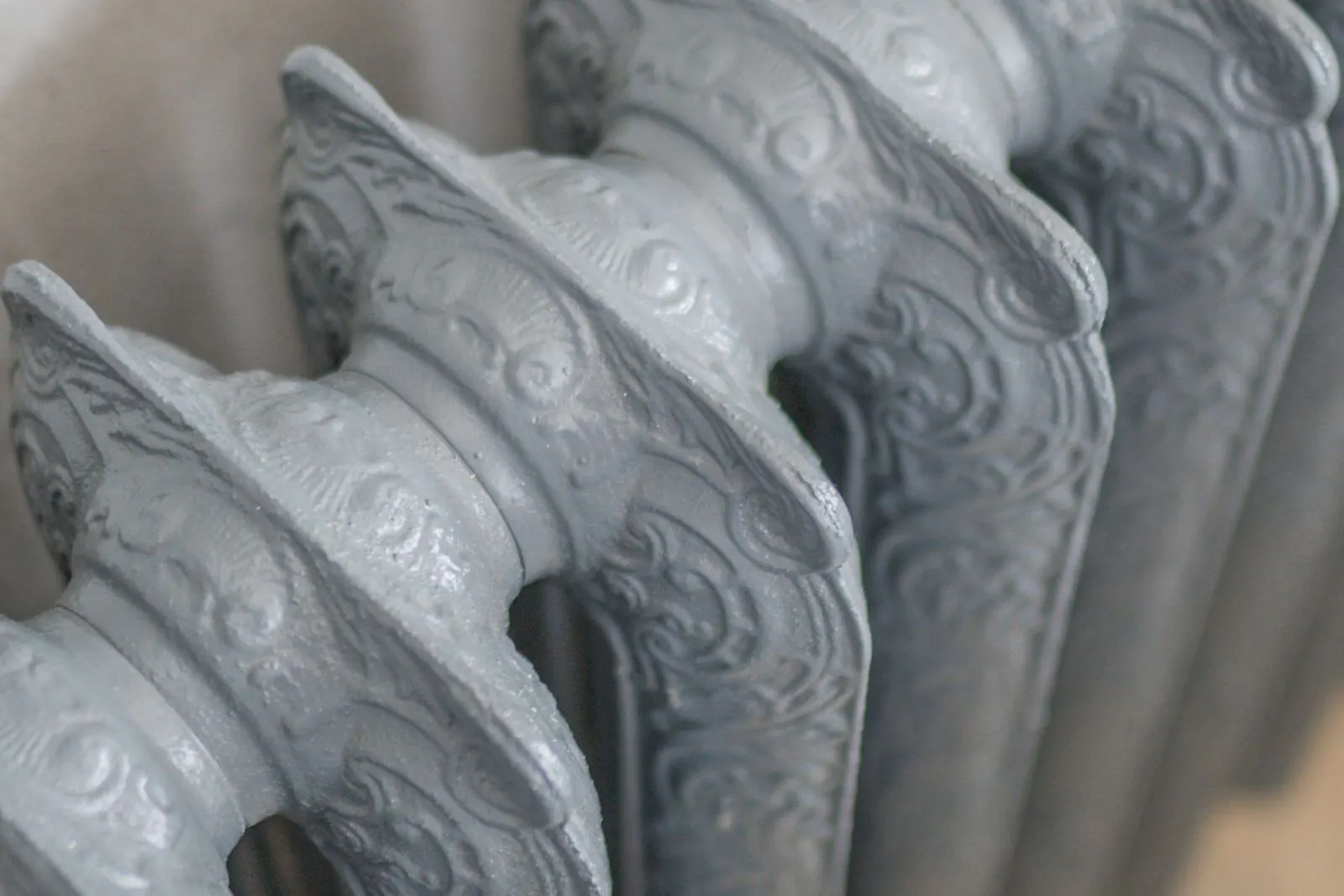
A power flush pushes water through your central heating at speed to shift sludge, rust and loose debris. It is worth paying for when the symptoms point to sludge and the system is otherwise sound: radiators that heat only along the top, black water when they are drained, circulation that has slowly got worse. It is the wrong fix for leaks, a failed pump or valve, or a system that keeps losing pressure, and on a very old or weak system it can cause damage. Many homes need a gentler clean instead, or a magnetic filter fitted alongside it.
This page explains how to tell the difference, what an engineer does on the day, what drives the cost, and how to check who you are hiring. It draws on Which? Trusted Traders, the Heating and Hot Water Industry Council (HHIC), the Energy Saving Trust and the government's building regulations guidance, all read on 12 October 2026.
Signs your heating system may need a power flush
Which? lists the symptoms that usually point to sludge:
- Cold radiators with only a hot strip at the top.
- Black, sludgy water in the heating system.
- Poor circulation in a system that used to work better.
- A magnet that sticks to the copper pipework, a sign of iron sludge inside.
- An overflowing header tank in the loft, although Which? says a pump set at the wrong speed can cause that too.
Which? describes the build-up as sludge, rust and other debris inside the pipes and radiators. How much there is varies a lot from one system to the next, which is why an engineer should look before recommending a flush.
Heating and hot water make up over half of a typical annual energy bill according to the Energy Saving Trust, so a system that has to work harder to push heat round the house is worth fixing.
When a power flush is not the answer
Which? is clear about the limits. Power flushing will not mend broken parts, and it is not the solution to pressure loss, which usually points to a leak. If a radiator is cold because of a stuck valve, or the boiler is locking out, flushing the whole system first is an expensive way to find that out.
There are two further cautions:
- Weak points. Which? warns that a power flush can raise pressure on areas of weakness such as rusting radiators, and that can lead to leaks. If your radiators are thin with age, ask the engineer to inspect them before the flush starts and agree what happens if one fails.
- Very old systems. For systems 15 years old or more, Which? says replacing the boiler, the radiators and possibly some pipework may be the more cost-effective route. A flush will remove a good proportion of the sludge but not all of it, and on a heavily silted system it may not be enough.
The HHIC adds that power flushing may not suit some systems at all. A competent engineer should be willing to say no, or to propose something milder.
Power flush, chemical flush or magnetic filter?
These are different tools, and an honest quote often combines more than one.
| Method | What it does | Suits |
|---|---|---|
| Power flush | A pump unit drives water through each radiator at speed, usually in both directions, to dislodge and carry out debris | Heavy sludge in a sound system, often when a new boiler is going onto old pipework |
| Chemical flush | A cleaning chemical is added to break down sludge, then removed and neutralised | Stubborn sludge, often as a step before or during a flush |
| Dynamic or mains-pressure flush | Clean mains water is pushed through the system | Which? says this is sometimes all that is needed |
| Magnetic filter | A magnet on the pipework catches iron particles as they travel | Preventing sludge returning; it does not clear what is already there |
| Inhibitor | A chemical added to the water to slow corrosion | Added after cleaning, and refreshed after any drain-down |
The industry standard for this work is BS 7593, the code of practice for preparing and commissioning domestic central heating systems. The HHIC says it specifies a number of cleaning methods, so power flushing is one accepted route rather than the only one. The HHIC describes filters as an added layer of protection alongside chemical treatment.
What the engineer does on the day
Which? describes the main stages below. Exact steps differ between firms and systems, so ask for the plan in writing, and ask the engineer to look over the radiators and valves before any flushing starts.
- Flush. Which? puts the first stage at around 90 minutes of flushing the whole system, in both directions.
- Chemicals if needed. The engineer may add a chemical to break down stubborn sludge, followed by a neutraliser. The pH should be checked afterwards, because excess acid can lead to internal corrosion.
- Inhibitor. A dose goes in to protect the clean system from corroding again.
- Combi boilers. Which? notes the engineer may remove the hot water heat exchanger and flush it on both sides to clear limescale.
The whole process can take several hours to a full day, depending on how big the system is and what condition it is in. Which? says that is not a job to attempt yourself, and that it should be done by a Gas Safe registered engineer. Disconnecting a boiler or working on it counts as gas work, so check the registration regardless of who quotes.
Rules that apply when a boiler is replaced
If a new boiler is going onto an existing system in England, Approved Document L, Volume 1 (2021 edition incorporating 2023 amendments, paragraph 8.8; a 2026 edition takes effect on 24 March 2027) says that before a new heating appliance is installed, all central heating and primary hot water circuits should be thoroughly cleaned and flushed out. It also says a suitable chemical inhibitor should be added to the primary circuit, and that domestic central heating systems should be prepared and commissioned to BS 7593. Wales, Scotland and Northern Ireland set their own building standards, so check the local rules if you live there.
That wording asks for cleaning and flushing, not necessarily a power flush. Which? makes the same point: a thorough flush is expected with every new boiler, but not always a power flush. The Energy Saving Trust adds that when a boiler is replaced, your plumber should fit a magnetic filter near the boiler if you do not already have one, and that inhibitor should be refreshed whenever an engineer drains the system. Our page on boiler installation covers the wider job, and the blog explains when plumbing and heating work needs building regulations approval.
What affects the price
We do not quote prices here, because none of the sources above give a figure for a power flush and any number would be a guess. These are the factors that change a quote:
- The number of radiators and the size and layout of the pipework.
- How heavy the sludge is, and whether a chemical stage is needed.
- Whether the flush is part of a boiler replacement or a stand-alone visit.
- Access to radiators, valves and the boiler, and whether valves need replacing.
- Whether a magnetic filter and inhibitor are included.
- How long the job takes. Which? says several hours to a whole day.
For scale, the Energy Saving Trust gives a typical cost of £3,500 to replace a G-rated gas boiler with an A-rated model with thermostatic radiator valves, which is why a flush on a failing old system needs a straight conversation about whether to repair or replace. Get at least three written quotes and compare what each includes, not only the total.
How to choose and check an engineer
Ask to see a Gas Safe ID card on the day, and check the back of it for the work categories. Our guide on how to check a plumber is Gas Safe or WaterSafe registered shows where to look. You can browse local firms through our city pages, where results are ordered by verified reviews and then distance, not by payment.
Questions worth asking before you book:
- What makes you think sludge is the cause? Will you test the water or check the pipework with a magnet before quoting?
- Which method are you proposing, and why that one over a chemical or mains-pressure flush?
- What will you do if a radiator or valve leaks during the flush, and who pays?
- Are chemicals, inhibitor and a magnetic filter in the price?
- Will you give me a written record of what was done and which products were used?
Boiler warranty terms vary between manufacturers, and some set conditions about water treatment, so read yours before the work and keep the paperwork afterwards.
After the flush
A clean system can foul again. Engineers usually clean the filter and can check inhibitor levels as part of the annual boiler service, and the HHIC says inhibitor concentration should be checked at service intervals and topped up after the system is drained. If the same symptoms return within a few months, ask the engineer to look for a cause such as a leak drawing in fresh water, rather than assuming another flush is needed. For other heating faults, see our pages on radiators and heating.
Sources
- Which? Trusted Traders: Quick guide, central heating powerflushing, accessed 12 October 2026
- GOV.UK: Approved Document L, Volume 1: Dwellings (2021 edition incorporating 2023 amendments), accessed 12 October 2026
- Energy Saving Trust: Boiler types explained, accessed 12 October 2026
- HHIC: Water treatment is integral to central heating efficiency (13 June 2016), accessed 12 October 2026
Ready to book a plumber?
Tell us what you need and where. We reply by email within 1 working day. Free, and nothing is shared without asking you.
Questions people ask
Can I power flush my heating myself?
Which? says it is not something to attempt yourself. A flushing machine alone does not give you the skill to judge pressure on old radiators, neutralise chemicals or spot a failing part. Choose a Gas Safe registered engineer and ask to see their ID card before work starts.
Does my new boiler automatically need a power flush?
Not necessarily. In England, Approved Document L says the system should be cleaned and flushed before a new heating appliance is installed, with inhibitor added and commissioning to BS 7593. That can be a lighter clean. Ask the installer which method they propose and why.
Could a power flush cause leaks?
It can. Which? warns that a power flush can raise pressure on weak areas such as rusting radiators, which may then leak. Ask the engineer to inspect the radiators and valves first, and agree beforehand what happens and who pays if a radiator fails during the flush.
Will a magnetic filter mean I never need flushing?
No. A filter catches iron particles as they pass, so it helps stop sludge building up again, but it does not remove what is already in the system. The HHIC describes filters as an added layer of protection alongside chemical treatment, not as a replacement for cleaning.
How do I know the water treatment has been done properly?
Ask for a written record of the method, the cleaner, neutraliser and inhibitor used, and any filter fitted. Some boiler makers ask for evidence of correct inhibitor dosing to keep a warranty valid, according to Which?, so keep the paperwork with the boiler manual.