
Gas safety certificates
"Gas safety certificate" can mean three different documents, and which one you need depends on whether you own, rent out or are selling a home. This page sorts out the paperwork, the check itself and what happens if an appliance fails.
The plumbers below list gas safety certificates as a core service. Each profile says whether we have checked the firm’s Gas Safe number yet, and shows any fees that plumber publishes, so you can compare before you call.
Need a plumber for this?
Tell us what you need and where. We reply by email within 1 working day. Free, and nothing is shared without asking you.
What’s included
- A named engineer who handles the job from first visit to sign-off
- A written fixed quote before anything starts
- A clear call-out or visit fee stated before anyone comes out
- Gas or heating work signed off and registered where the law requires it, with the certificate sent to you
- A written guarantee on the work, with the length stated up front
Comparing fees
Ask for the call-out or visit fee before anyone comes out, and a written quote before work starts. Each profile lists the fees that plumber publishes.
Plumbers that do gas safety certificates
See all near me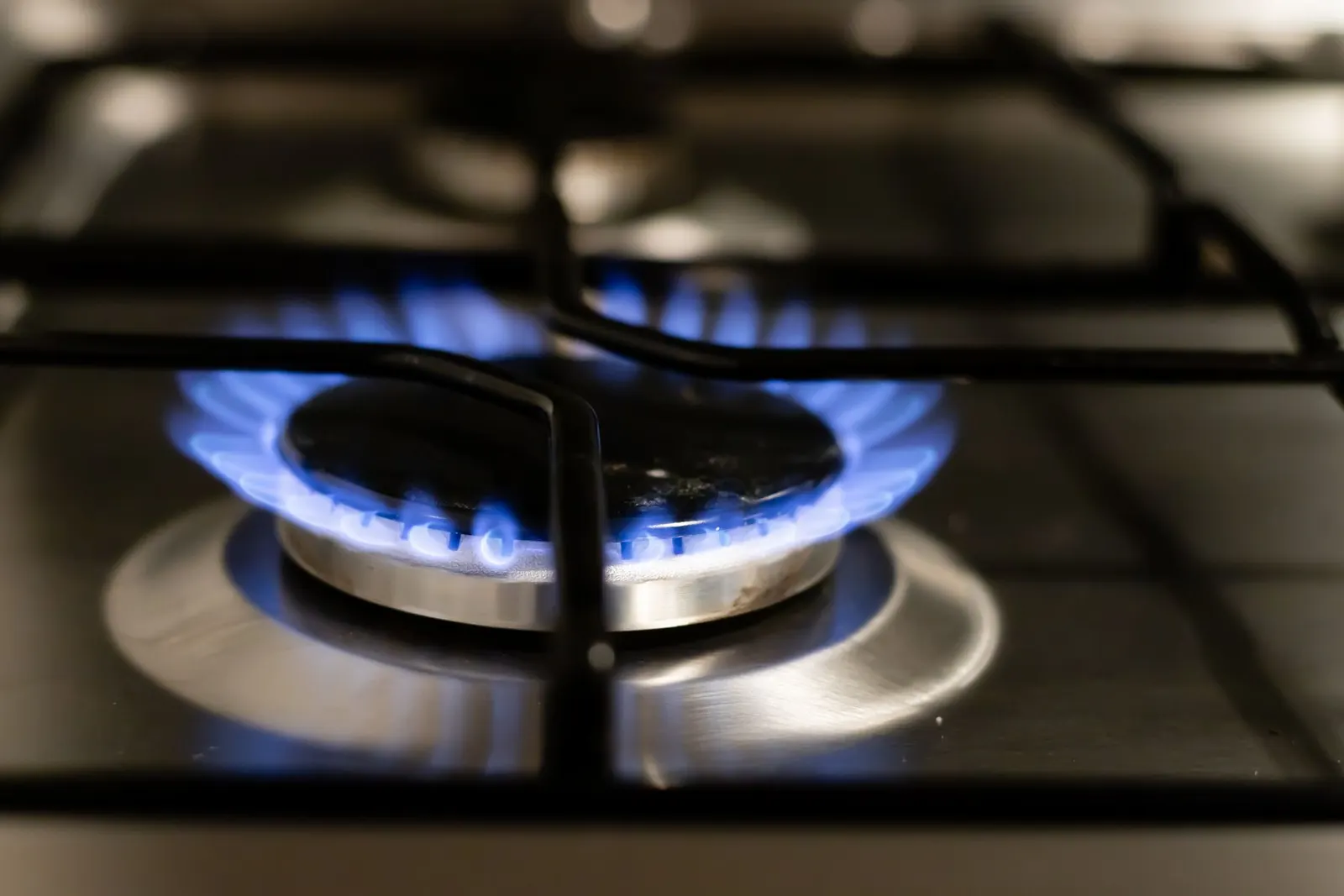
In numbers
| Figure | Value | Source |
|---|---|---|
| How often HSE advises having gas appliances serviced | At least once a year | HSE, Gas safety FAQs for homeowners, Page as read on 12 October 2026 |
| Longest gap between landlord gas safety checks | 12 months | Gas Safety (Installation and Use) Regulations 1998, regulation 36(3)(a), As amended from 6 April 2018 |
| Time limit for giving an existing tenant a copy of the record | Within 28 days of the check | Gas Safety (Installation and Use) Regulations 1998, regulation 36(6)(a), As amended from 6 April 2018 |
| How early a landlord check can be done without losing the original deadline | Up to 2 months before it is due | HSE, Landlord gas safety record: what to keep, Flexibility in force since 2018; page as read on 12 October 2026 |
| When a competent person scheme installer must give you a Building Regulations certificate | Within 8 weeks of the work being completed | GOV.UK, Building regulations approval: use a competent person scheme, Page as read on 13 October 2026 |

A gas safety check is an engineer's inspection of your gas appliances, flues and, if you ask for it, your pipework. Gas Safe Register recommends one every year for every home. Only landlords are required by law to have the check and to keep a record of it. Homeowners and sellers have no legal duty to hold a certificate, but an up-to-date check is the cheapest way to find a faulty appliance before it harms anyone. This page covers what you are booking, what the engineer looks at, which paperwork you get, and what happens if something fails.
Which gas safety certificate do you mean?
The phrase covers several documents, and Gas Safe Register treats them separately. If a quote or a buyer asks for a "gas safety certificate", ask which one.
- Landlord gas safety record. The annual record of a check on every appliance and flue a landlord provides. Gas Safe Register says this is the only paperwork required by law after gas work. HSE says it was previously called a gas safety record, certificate or CP12.
- Building Regulations compliance certificate. This is issued when a Gas Safe registered engineer installs a heat-producing gas appliance such as a boiler. GOV.UK says an installer registered with a competent person scheme must give you a certificate within 8 weeks of finishing the work. It tells the local authority about the new appliance. It does not describe the appliance's condition today.
- Service or inspection paperwork. After a routine check or service you may get a record from the firm, but Gas Safe Register says this is not a legal requirement, so ask when you book whether you will get one.
Homeowners, landlords and sellers
| Situation | What the rules say | What is sensible |
|---|---|---|
| You live in a home you own | No legal requirement for a certificate. Gas Safe Register recommends a check and service once a year | Book the check, or set the free reminder at StayGasSafe.co.uk |
| You rent out a home | A check at least every 12 months and a record for your tenant, with legal duties set out in regulation 36 of the 1998 Regulations | Keep your diary ahead of the deadline, see our landlord guide |
| You are selling | Gas Safe Register says you are not legally required to give a buyer a certificate | Offer the Building Regulations certificate for any fitted boiler plus your service history |
| You are buying | Gas Safe Register says a homebuyer report or survey may not confirm that appliances work safely | Ask for the paperwork and, if there is none or it is over 12 months old, book a check before you move in |
Landlords should read the dedicated guide linked above for the deadline rules and tenant access. This page stays with the service itself.
What the engineer inspects
Gas Safe Register describes the safety check as confirming that each appliance is properly set and adjusted so the gas burns correctly, is suitable for the room it is in, and is stable, securely fitted and properly connected to the pipework. The engineer also confirms that:
- There is an adequate, permanent air supply for the appliance.
- Every safety device works.
- Flues, chimneys and air vents are operating correctly.
Gas Safe Register says the check can be extended to a full installation check, in which the engineer visually inspects the pipework as far as reasonably practicable and runs a tightness test to confirm there are no leaks. It recommends adding that at the same time as the annual check. If you have a shared flue or chimney, it advises sharing the responsibility for checking it with your neighbours.
Check versus service
A safety check tells you whether the appliance is safe to keep using. A service goes further. Gas Safe Register says an engineer servicing an appliance follows the manufacturer's instructions, which can include analysing the combustion gases and inspecting seals, gaskets and the cleanliness of heat exchangers. Requirements differ by appliance, so a boiler visit will not be the same as a cooker or fire visit. Gas Safe Register recommends an annual check and service unless the manufacturer says otherwise, and a service at minimum if you notice warning signs. If you are booking for a boiler, you can ask for both in one visit and link it to a repair if a fault turns up, see boiler repair.
Booking the check
- Decide what you want. Appliance check only, check plus service, or the full installation check including pipework.
- Say which appliances you have. Boiler, hob, oven, fire, and whether the fuel is natural gas or LPG. Each engineer's card lists the types of work they can legally do.
- Ask about paperwork. Which document will you receive, and will it list every appliance checked?
- Ask about access. Appliances in lofts, cupboards and under stairs need to be reachable.
- Check any free-check eligibility. Gas Safe Register says that being on a means-tested benefit may mean you qualify for a free check, and suggests contacting your energy supplier.
- Be present or arrange access. For a rented home, tenant access is covered in our landlord guide.
Gas Safe Register says the cost depends on the engineer you choose. We do not list prices here, because the sources do not give a national figure. Factors that move a quote include how many appliances you have, whether you add a service or pipework test, and how easy the appliances are to reach.
If an appliance fails the check
If the engineer finds something unsafe they follow the Gas Industry Unsafe Situations Procedure, known as GIUSP. Gas Safe Register describes the steps: they first try to find and fix the cause. If that is not possible, they tell you the fault must be repaired before the appliance is used again, and with your permission they make it safe by disconnecting it or turning off the gas to that part.
You will get a "Danger, Do Not Use" label on the appliance and a warning notice with details. There are two unsafe categories:
- Immediately Dangerous (ID). An immediate danger to life and property if left running. The engineer will disconnect it with your permission and you cannot use it until it is repaired. If you refuse and the installation runs on natural gas, the engineer reports it to the Gas Emergency Service Provider, which has legal powers to disconnect. Gas Safe Register notes this does not apply to LPG unless there is a contractual right of entry.
- At Risk (AR). One or more recognised faults that could become a danger to life or property without further faults developing. With your permission the engineer turns the appliance off, and it should not be used again until it is fixed.
If the engineer says an installation does not comply with current standards, Gas Safe Register says what you do about it is your choice, although bringing it up to date is a good idea.
How to check the engineer
Every Gas Safe registered engineer carries an ID card, physical or digital. Gas Safe Register says to look for the photo, the business name and registration number, the start and expiry dates, and the seven-digit licence number. An expired card is a reason to stop and contact Gas Safe Register. The work categories on the back of the card show which appliances the engineer may legally work on, which matters if you have an LPG appliance or a gas fire as well as a boiler. A digital card shows a QR code you can scan to confirm the details on the official site.
Our walkthrough on how to check a plumber is Gas Safe or WaterSafe registered goes through the register search step by step, and our city pages list local firms ordered by verified reviews and then distance. If you are having a new boiler installed, see boiler installation for what the engineer should leave you.
Warning signs between checks
Gas Safe Register lists these signs of a faulty appliance: it is not working properly, the flame is floppy and yellow rather than crisp blue, there are black or brown marks on or around it, a boiler pilot light keeps going out, or there is more condensation on the windows. Carbon monoxide has no colour, taste or smell. Gas Safe Register names six main symptoms (headaches, dizziness, nausea, breathlessness, collapse and loss of consciousness) and says that if you suspect it you should turn off the appliance if it is safe to, open doors and windows, leave the property and get medical advice. Call the Gas Emergency Helpline on 0800 111 999 if you smell gas or suspect a leak, and call 999 for severe symptoms.
Sources
- GOV.UK: Building regulations approval, use a competent person scheme, accessed 13 October 2026
- HSE: Gas safety FAQs for homeowners, accessed 13 October 2026
- Gas Safe Register: Check your gas appliances, accessed 12 October 2026
- Gas Safe Register: Gas appliance warning labels, accessed 12 October 2026
- Gas Safe Register: Gas safety certificates and records, accessed 12 October 2026
- Gas Safe Register: Buying or selling a home, accessed 12 October 2026
- Gas Safe Register: The Gas Safe ID card, accessed 12 October 2026
- Gas Safe Register: Carbon monoxide poisoning, accessed 12 October 2026
- legislation.gov.uk: Gas Safety (Installation and Use) Regulations 1998, regulation 36, accessed 12 October 2026
- HSE: Landlord gas safety record: what to keep, accessed 12 October 2026
Ready to book a plumber?
Tell us what you need and where. We reply by email within 1 working day. Free, and nothing is shared without asking you.
Questions people ask
Do I need a gas safety certificate to sell my house?
No. Gas Safe Register says you are not legally required to give a buyer a certificate, though it is good practice. Handing over the Building Regulations certificate for any fitted boiler, plus a record of servicing, shows the appliances have been looked after and saves a buyer chasing it.
I lost my Building Regulations compliance certificate. Can I get another?
If a Gas Safe registered engineer notified the installation, you can order a duplicate from Gas Safe Register. A fee applies; Gas Safe Register shows the current amount when you order. A duplicate shows the installation was notified, not that the appliance is safe today.
What happens if my boiler is marked At Risk?
Gas Safe Register says the engineer will, with your permission, turn the appliance off, and you should not use it again until it has been fixed. They leave a Danger Do Not Use label and a warning notice with details. Book a repair, and keep the notice for the engineer who carries it out.
Can I refuse to let the engineer disconnect an unsafe appliance?
It is your decision, but there are consequences. For an Immediately Dangerous natural gas installation, Gas Safe Register says the engineer reports a refusal to the Gas Emergency Service Provider, which has legal powers to disconnect the supply. LPG installations are different unless a contract gives the supplier a right of entry.
Is a free gas safety check available?
Possibly. Gas Safe Register says that being on means-tested benefits might mean you qualify for a free appliance check, and suggests asking your energy supplier. Eligibility rules are the supplier's to set, so contact them directly rather than relying on a general answer.