Plumbing and heating company in Birmingham, listed as a TrustMark registered business (licence 1733721), offering radiators and heating.
Registered company, not yet verified
No reviews yetBirmingham ·

If a radiator is cold, leaking or noisy, or you want new valves and controls, a plumber who works on heating can usually sort it. If the boiler itself needs attention, you need a Gas Safe registered heating engineer.
The plumbers below list radiators and heating as a core service. Each profile says whether we have checked the firm’s Gas Safe number yet, and shows any fees that plumber publishes, so you can compare before you call.
Tell us what you need and where. We reply by email within 1 working day. Free, and nothing is shared without asking you.
Ask for the call-out or visit fee before anyone comes out, and a written quote before work starts. Each profile lists the fees that plumber publishes.
Plumbing and heating company in Birmingham, listed as a TrustMark registered business (licence 1733721), offering radiators and heating.
Plumbing and heating company in London, listed in the CIPHE member directory, offering radiators and heating.

Plumbing and heating company in London, listed as a TrustMark registered business (licence 2753451), offering radiators and heating.

Plumbing and heating company in Leeds, listed as a TrustMark registered business (licence 1939057), offering radiators and heating.
| Figure | Value | Source |
|---|---|---|
| Estimated yearly saving from installing and using heating controls | Around £100 a year in Great Britain | Energy Saving Trust, heating controls, Page last updated 28 September 2026 |
| Estimated yearly saving from adding TRVs where a programmer and thermostat already exist | £30 a year in Great Britain | Energy Saving Trust, the most economical ways to use central heating, Page last updated 11 September 2026 |
| Typical cost of adding TRVs to all radiators, where a programmer and thermostat exist | Around £370 | Energy Saving Trust, heating controls, Page last updated 28 September 2026 |
| Typical cost of a programmer, thermostat and TRVs on all radiators where none exist | Around £600 | Energy Saving Trust, heating controls, Page last updated 28 September 2026 |
| Yearly saving from turning the room thermostat down from 22°C to 21°C | Around £120 a year in Great Britain | Energy Saving Trust, the most economical ways to use central heating, Page last updated 11 September 2026 |
| Thermostat range suggested for most people | 18°C to 21°C | Energy Saving Trust, the most economical ways to use central heating, Page last updated 11 September 2026 |
| Boiler Upgrade Scheme grant for an air-to-water heat pump in a home that is not off the gas grid | £7,500 | Department for Energy Security and Net Zero, notice of approved grant values, Notice updated 29 September 2026; values effective from 21 July 2026, England and Wales |
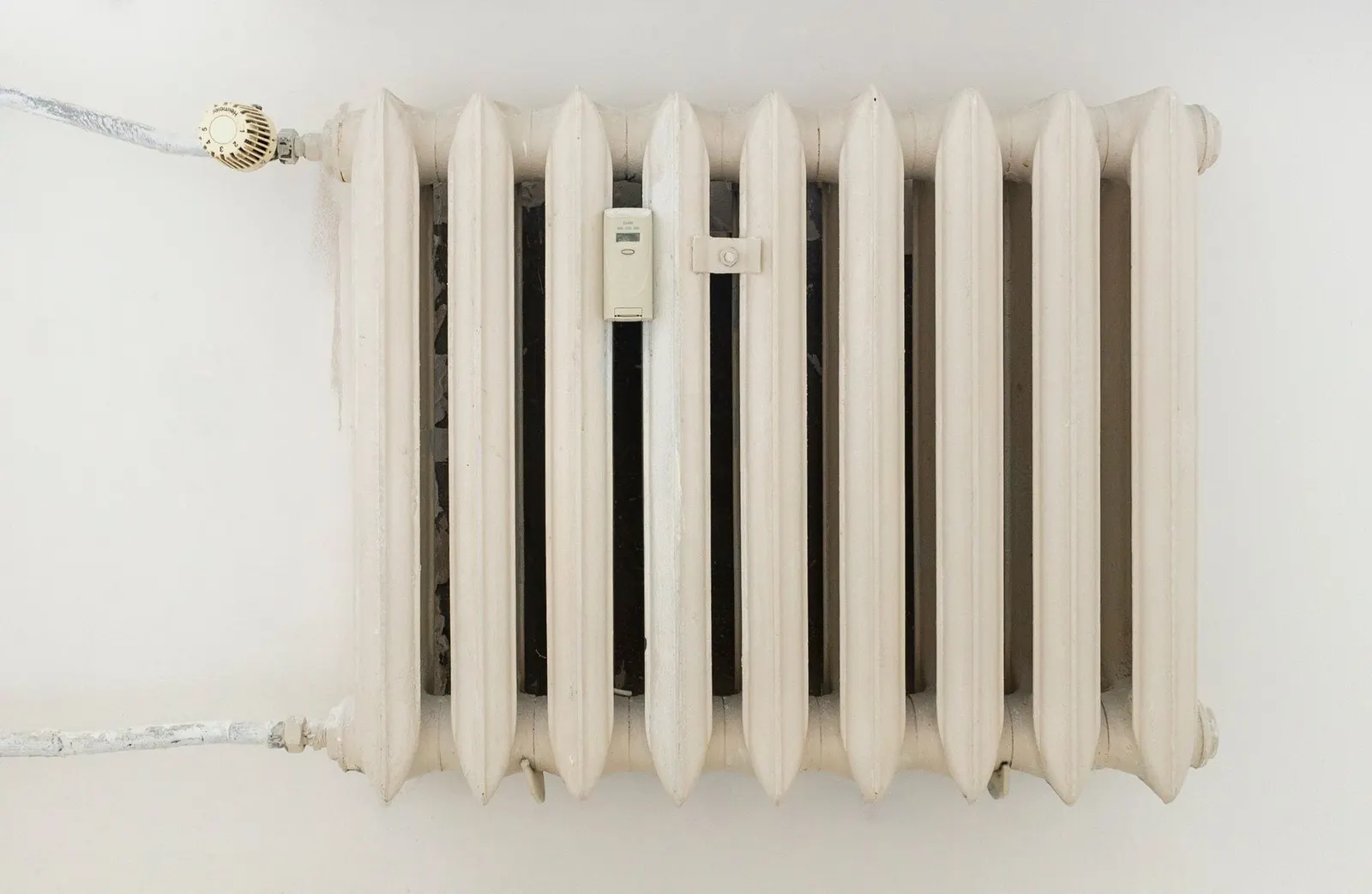
For a cold radiator, a weeping valve, a new radiator or a set of thermostatic valves, you want a plumber or heating engineer who does central heating work. For anything on the gas side of the boiler you need a Gas Safe registered heating engineer, and a good firm will say plainly which of the two your job is. Many heating plumbers and heating engineers are the same people wearing different hats, so the useful question is not the job title but what the registration covers.
This page explains what radiator and heating work involves, what you can safely do yourself, where the legal lines sit and what the published savings figures say about controls.
The split follows what is being touched.
If you are unsure which category a fault falls into, describe the symptom rather than guessing the cause. Ask a registered engineer to diagnose it. Our guide on checking a plumber's registration shows how to confirm who is on the books.
One radiator cold at the top, warm at the bottom. This usually points to trapped air, and bleeding the radiator with a key often fixes it. Many householders do this themselves. If the pressure on a sealed system drops afterwards, the system needs topping up using the filling loop, and a heating engineer can show you how.
Cold at the bottom or in the middle, warm at the top. That pattern often suggests debris in the system. A flush may be needed, and our page on power flushing explains when it is worth it.
A radiator that stays cold while others get hot. Check the TRV pin first, since a valve can stick after a summer shut off. If the pin moves freely, the cause may be a blocked radiator, a balancing problem or a seized lockshield valve.
Radiators that heat unevenly, with distant rooms slow to warm. Balancing adjusts the lockshield valves so hot water reaches every radiator in proportion. It takes time and some trial and error, but it is a routine visit.
A leaking valve or radiator. Isolate the radiator if the valves allow it, shut off the heating and call a plumber. Water on carpet and floorboards causes damage fast, so an urgent call is reasonable.
Noises. Banging, gurgling and ticking come from air, scale, flow noise or pipes expanding. A plumber can narrow it down by listening at the pump, the valves and the radiator.
Replacing, moving or adding radiators. This means draining part or all of the system, fitting new valves, reconnecting and refilling with inhibitor. A like-for-like swap is quick. Moving a radiator or adding one means new pipework, floorboards up and, sometimes, a check that the boiler and pump can supply the extra load.
Towel rails and bathroom radiators. These tie into the same system or an electric element. See our notes in bathroom fitting.
Controls are the part of a heating system where published figures are easiest to find. The Energy Saving Trust says installing and using heating controls effectively could save around £100 a year in Great Britain. It lists the controls central heating should have as a programmer, at least one room thermostat and thermostatic radiator valves, plus a cylinder thermostat if there is a hot water cylinder.
For homes that already have a programmer and thermostat, adding TRVs saves less: the Trust puts it at £30 a year in Great Britain. It puts the cost of adding TRVs to all radiators at around £370, and at around £600 for a programmer, thermostat and TRVs where none are fitted. These are estimates for typical homes, not quotes. A larger house or a long run of old radiators will cost more.
Behaviour matters as much as hardware. The Trust says most people are comfortable between 18°C and 21°C, and that turning the thermostat down from 22°C to 21°C could save around £120 a year in Great Britain. On a TRV, it suggests the lowest setting that keeps the room comfortable, such as 3 to 4 in rooms you use most and 2 to 3 in bedrooms.
Two practical points follow. First, TRVs and a room thermostat need to work together, and a heating engineer can check that one is not fighting the other. Second, if your boiler has a flow temperature setting, ask the engineer about it. The Trust notes that if the flow temperature is not set high enough in very cold weather, your home may not reach a comfortable temperature, so ask the engineer to set it correctly.
Replacing radiators or valves on an existing system is generally low-risk work, while new heating systems and boiler replacements are covered by the Building Regulations. Our guide to building regulations for plumbing and heating sets out which jobs need a notice, and which need a registered competent person to sign them off.
If you are a landlord, remember that gas appliances need an annual check by a registered engineer, and the record goes to your tenants. See the landlord gas safety record guide. For owner-occupiers, HSE strongly advises that gas appliances, flues and pipework are serviced at least annually by a Gas Safe registered engineer.
If you are considering moving away from gas, the Boiler Upgrade Scheme in England and Wales offers a grant of £7,500 for an air-to-water heat pump in a home that is not off the gas grid, according to the Department for Energy Security and Net Zero notice effective from 21 July 2026. The notice sets different values for other cases, so check the current terms before you commit.
We do not publish prices here, and the directory has no listed prices to draw on. Quotes for heating work differ because of:
Ask for the quote to list each radiator, valve and control by name.
Our directory lists registered businesses and orders them by verified reviews first and then distance, with no paid placement in the ranked list. You can browse plumbers by city to see who works in your area.
Autumn is the sensible time to find out whether the system copes. Bleed radiators, check each TRV pin moves, look for damp patches below valves, and listen to the pump. If something is wrong, an engineer can plan the repair before the first cold snap, rather than at the busiest point of the season. If a boiler stops altogether or you smell gas, do not wait, and use our emergency plumber page or the gas emergency number.
Tell us what you need and where. We reply by email within 1 working day. Free, and nothing is shared without asking you.
Not for the radiator itself, because it sits on the water side of the system. You need Gas Safe registration for work on the boiler, gas pipe or flue. Many heating firms hold it, so ask which of the two your job involves before you book.
Yes, most householders can, with a radiator key and a cloth. Turn the heating off first and open the vent slowly until water appears. If the boiler pressure drops afterwards, top it up through the filling loop, or ask an engineer to show you how.
A cold patch at the bottom often points to debris or sludge settling in the radiator, rather than trapped air. A plumber can check whether the radiator needs cleaning or whether a flush of the whole system would be the better fix.
They can be. The Energy Saving Trust estimates around £30 a year in Great Britain when a programmer and thermostat are already in place, and about £370 to fit them throughout. Savings depend on the house and how you use the heating.
The two titles overlap a lot in practice. A plumber who works on heating handles radiators, pipes and controls. A heating engineer usually also works on the boiler, which needs Gas Safe registration. The registration, not the title, tells you what they can do.